


Understanding Fasting
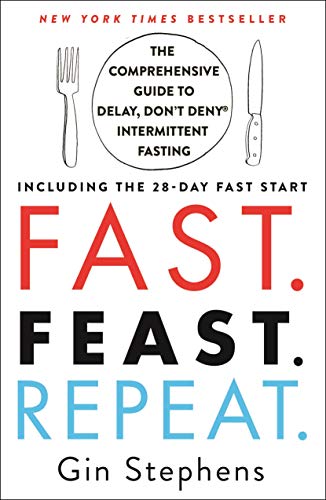
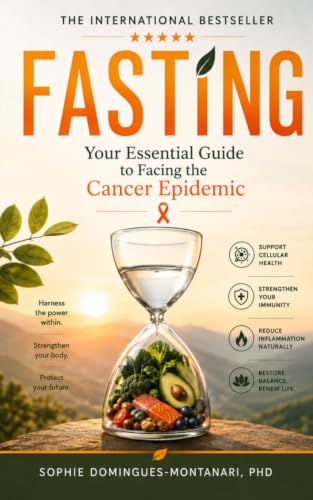
Fasting has emerged as a popular dieting solution, attracting much attention for its potential health benefits. It involves voluntarily refraining from food intake for a specified period. Various methods exist, including intermittent fasting, which alternates between eating and fasting periods.
The Benefits of Fasting
Proponents of fasting claim it can aid in weight loss, improve metabolic health, and promote cellular repair. Research suggests that intermittent fasting can lead to effective weight management by reducing calorie intake without the need for constant meal planning. Additionally, fasting may enhance insulin sensitivity, thus lowering the risk of type 2 diabetes.
Considerations and Risks
Despite its potential advantages, fasting is not suitable for everyone. Individuals with certain health conditions, pregnant women, and those with a history of eating disorders should approach fasting cautiously. It is essential to consult healthcare professionals before adopting any fasting regimen. Moreover, sustainable dieting solutions should include balanced nutrition and consider individual lifestyle factors.
In conclusion, while fasting may be beneficial for some as a dieting solution, it is crucial to weigh its advantages against potential risks. Establishing a balanced and sustainable eating plan is often the most effective way to achieve long-term health goals.