


Setting sustainable weight-loss goals and timelines
September 1, 2025 | by bkalio57@gmail.com
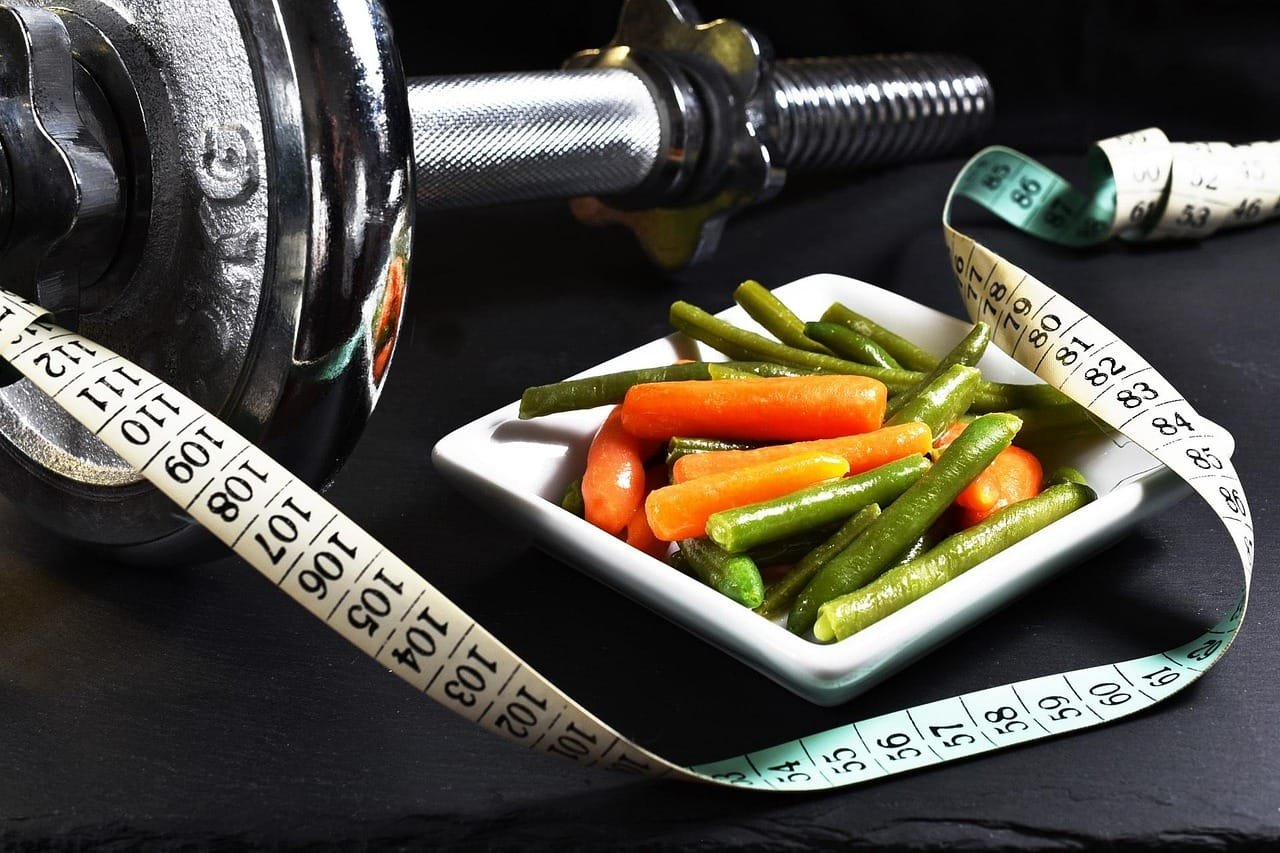
Here’s a simple, evidence-based framework for setting sustainable weight-loss goals and timelines.
What to aim for
– Rate of loss: about 0.5–1.0% of body weight per week (often 0.5–1 lb/week for many). Larger bodies may lose a bit faster at first.
– Initial target: 5–10% of current body weight. This delivers major health benefits and is realistic for a first phase.
– Timeline examples:
– 150 lb person: 5% (7.5 lb) ≈ 5–10 weeks; 10% (15 lb) ≈ 10–20 weeks, plus diet breaks → ~3–6 months.
– 250 lb person: 10% (25 lb) ≈ 10–20 weeks, plus breaks → ~3–6+ months.
Set SMART goals
– Outcome goal: “Lose 7–15 lb over the next 8–16 weeks.”
– Behavior goals (the levers you control):
– Eat protein at most meals; target ~0.7–1.0 g per lb goal body weight (1.6–2.2 g/kg).
– 7,000–10,000 steps/day most days.
– Strength train 2–4 times/week.
– Sleep 7–9 hours; manage stress.
Create a modest calorie deficit

– Start with a 300–500 kcal/day deficit. This typically yields 0.5–1 lb/week.
– How to set calories:
– If you track: estimate maintenance via a calculator or body-weight multiplier (roughly 14–16 kcal/lb for many; 12–14 if fairly sedentary), then subtract 300–500 kcal.
– If you don’t track: use the plate method—half non-starchy veg, a quarter lean protein, a quarter smart carbs, add some healthy fats; limit liquid calories and ultra-processed snacks.
– Protein, plants, fiber:
– Protein as above; include 25–35 g fiber/day from vegetables, fruits, legumes, and whole grains.
Exercise targets (to preserve muscle and help adherence)
– Strength training: 2–4 sessions/week, full-body or upper/lower splits. Focus on progressive overload for major movements.
– Cardio: 150–300 minutes/week moderate, or 75–150 minutes vigorous, or a mix. Can be brisk walking, cycling, intervals, etc.
– NEAT (daily movement): aim for steps target; use stairs, short walks, standing breaks.
Track progress and adjust
– Weigh 3–7x/week; use the weekly average to smooth daily swings. Also track waist circumference and how clothes fit.
– If average loss is <0.25% body weight/week for 2–3 weeks, reduce calories by ~150–200/day or add ~2,000–3,000 steps/week or 1 cardio session.
– If loss is >1–1.5% per week for 2+ weeks with high hunger/low energy, increase calories by ~100–200/day.
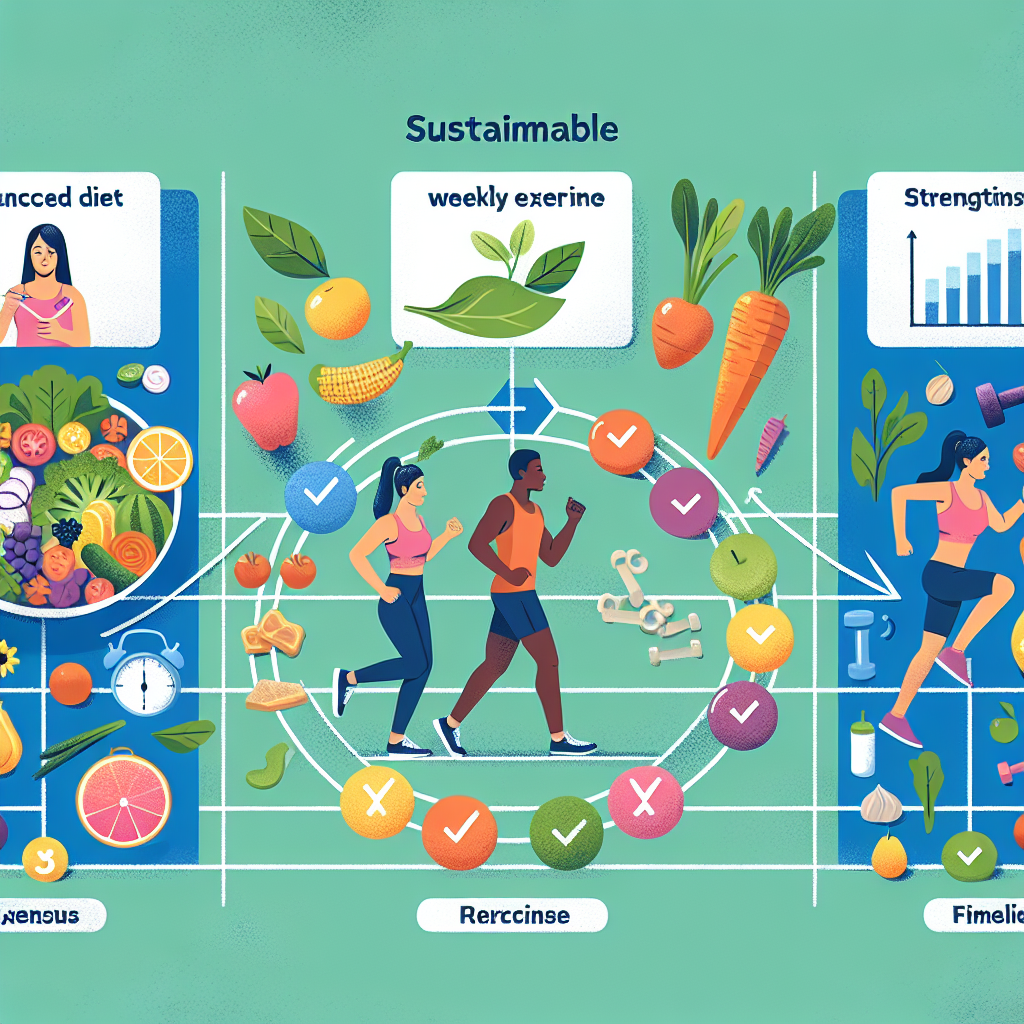
– Aim for 80–90% adherence; perfection isn’t required.
Plan phases and breaks
– Cut phases: 8–16 weeks is typical.
– Diet breaks: every 6–12 weeks, take 1–2 weeks at estimated maintenance calories to reduce fatigue and support adherence.
– After reaching a milestone (e.g., 5–10% loss), spend 4–8+ weeks at maintenance to “lock in” habits before another phase.
Common plateaus and expectations
– Weight will fluctuate daily due to water, sodium, hormones, training soreness, and bowel contents—watch the trend, not single days.
– Measurements often improve even when scale stalls (especially with strength training).
Health and safety
– Consult a clinician if you have chronic conditions, take medications affecting weight/appetite, are pregnant/breastfeeding, or have a history of disordered eating.
– Stop and seek help if you experience concerning symptoms (e.g., dizziness, fainting, persistent fatigue, hair loss).
Want this tailored to you?
Share age, sex, height, current weight, typical weekly activity, any medical conditions/meds, dietary preferences, and your target timeline. I can estimate your maintenance, set calorie/protein targets, and outline a first-month plan.
RELATED POSTS
View all


A Comprehensive Review of alli Weight Orlistat Capsules Refill
June 27, 2025 | by bkalio57@gmail.com
The next Ozempic: A 4-in-1 breakthrough for lasting weight loss – ScienceDaily
September 4, 2025 | by bkalio57@gmail.com

Importance of Resistance Training For Women
September 1, 2025 | by bkalio57@gmail.com