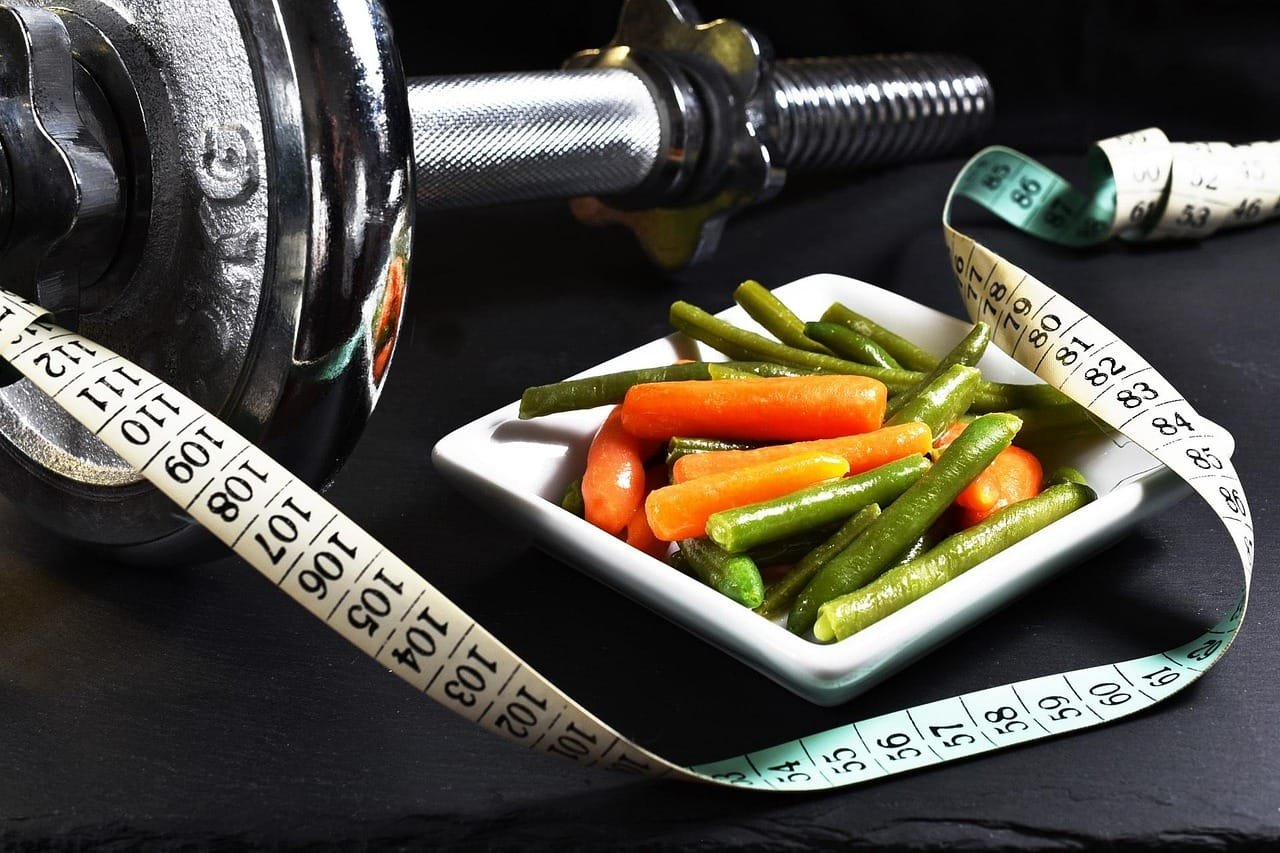



Losing weight rapidly is a goal that many strive for, whether it’s to fit into a wedding dress, prepare for a beach vacation, or regain control of health. While the allure of quick results is strong, it’s important to approach rapid weight loss with caution and consider the long-term implications on your health. Here’s what you need to know about the strategies, risks, and safe practices in rapid weight loss.
Understanding Rapid Weight Loss
Rapid weight loss involves losing a significant amount of weight in a short period of time. Typically, this means dropping more than 2 pounds per week. To achieve such weight loss, individuals often resort to extreme diets, high-intensity workout regimes, or even medical interventions. However, it’s crucial to understand that losing weight too quickly can be risky and detrimental to one’s health.
Strategies for Rapid Weight Loss
To lose weight quickly, individuals might adopt one or more of the following strategies:
1. Very Low-Calorie Diets (VLCDs): These diets restrict calorie intake to 800 calories or fewer per day and are typically reserved for those who need to lose weight for medical reasons. These diets should only be followed under medical supervision.
2. Intermittent Fasting: This dietary approach cycles between periods of eating and fasting. Popular methods include the 16/8 method (fasting for 16 hours a day and eating all your calories within an 8-hour window) or the 5:2 method (eating normally five days a week and reducing calorie intake to 500-600 for two non-consecutive days).
3. High-Intensity Interval Training (HIIT): This type of exercise combines short bursts of intense activity with periods of rest or lower-intensity exercise. HIIT can help burn a lot of calories in a short amount of time and increase metabolic rate even after the workout is over.
Risks Associated with Rapid Weight Loss
While the immediate results of rapid weight loss can be motivating, the approach comes with several health risks:
1. Nutrient Deficiencies: Quick weight loss diets often involve eating a limited variety of foods, which can lead to deficiencies in essential vitamins and minerals. This can result in fatigue, weakened immune response, hair loss, and other health issues.
2. Loss of Muscle Mass: Losing weight too quickly can lead to muscle loss, especially if you’re not consuming enough protein and not engaging in strength training. Since muscle helps keep the metabolism high, loss of muscle can slow down how many calories you burn daily.
3. Gallstones: Rapid weight loss can cause gallstones, which are hard pieces of material that form in the gallbladder. This can lead to severe pain and require medical intervention.
4. Psychological Effects: Rapid weight loss can also affect one’s mental health, leading to issues like mood swings, anxiety, and disordered eating patterns.
Ensuring Safe Weight Loss
To lose weight rapidly yet safely, consider the following tips:
1. Consult a Healthcare Provider: Before beginning any extreme diet or exercise plan, it’s important to discuss it with a healthcare professional. This is especially crucial if you have underlying health conditions.
2. Focus on Balanced Eating: Include a variety of foods in your diet to ensure you get all necessary nutrients. Prioritize fruits, vegetables, lean proteins, and whole grains.
3. Incorporate Strength Training: Include strength-based exercises to help maintain muscle mass during weight loss.
4. Set Realistic Goals: Safe and sustainable weight loss is typically 1-2 pounds per week. Setting achievable goals can lead to more long-term success.
In Conclusion
While losing weight rapidly can be appealing, it is accompanied by significant risks and considerations. A balanced approach that includes a nutritious diet, regular physical activity, and professional guidance is key to achieving long-term weight loss success without compromising your health.